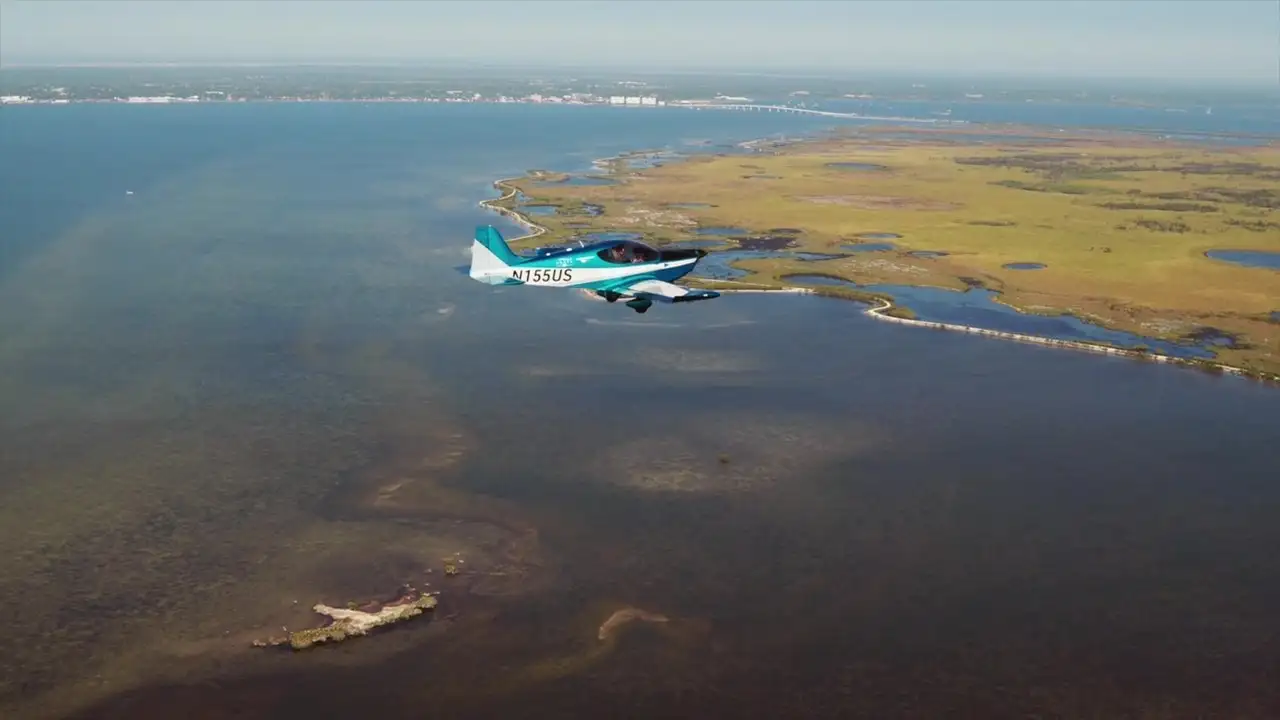
Airplane & Helicopter Training
Three Financing Partners
Training Pilots Since 1987
Flight School Loans in 2026
How to finance pilot training from your first lesson to your instructor ratings: the ways to pay, what lenders check, what your budget is made of, and when to borrow so training never stalls.
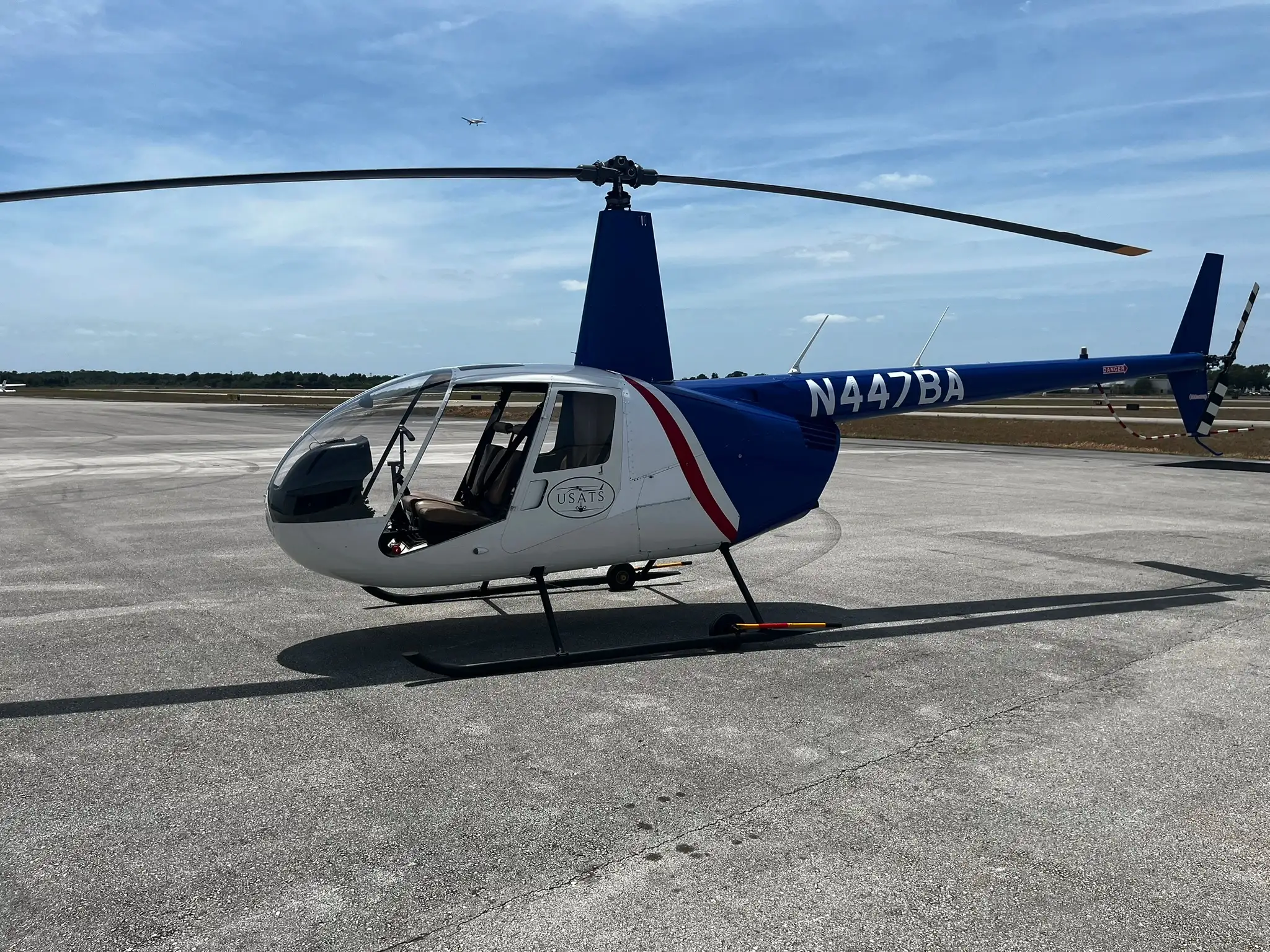
How Flight School Loans Work, in Plain English
A flight school loan is a private loan or line of credit from a lender that pays for pilot training. You apply with the lender, the lender reviews your credit, income and debts, and then it sets the terms and makes the approval decision. Some lenders pay the school directly. Others open a line of credit you draw from as you train.
That makes it a different product from a federal student loan. Federal student aid is built around eligible degree or certificate programs at schools that take part in federal aid programs, so it usually does not reach stand-alone flight training outside a degree program. Flight training loans are private, and each lender writes its own rules.
Most students pay for training from two kinds of money: their own funds (cash, a credit card or a check) and financing through one of our lending partners. This guide shows how the pieces fit together and links to a deeper guide for each one. If you want the full order of steps, start with our step-by-step plan for paying for flight school.
Why Finance Your Training at USATS
One School, One Quote and Three Lenders to Choose From
We have trained pilots at Space Coast Regional Airport (KTIX) in Titusville since 1987, and today we train both airplane and helicopter pilots from the first lesson through instructor ratings. Because the whole path is under one roof, your funding plan can cover every rating you need without switching schools halfway through.
Your quote comes from us, and your lender is your choice. We do not publish one price for everyone, because your goal, your aircraft and the hours you already have change the number. Our admissions team builds a quote around you, and that quote is what a lender will ask to see.
- Three Financing Partners
We work with Stratus Financial, AOPA Finance and We Florida Financial. Each one sets its own terms and makes its own decision, and you can start with Stratus through our Stratus application link.
- A Quote Built Around Your Goal
Our admissions team prices the training your goal requires, so the loan matches the path you are actually taking.
- Every Certificate Sold on Its Own
You can fund one certificate at a time or a Professional Pilot Program that runs from Private through CFII in airplanes or helicopters.
- Pay the Way That Fits You
We accept cash, credit cards (Visa, Mastercard, American Express and Discover), checks, and financing through our three partners. Many students combine them.
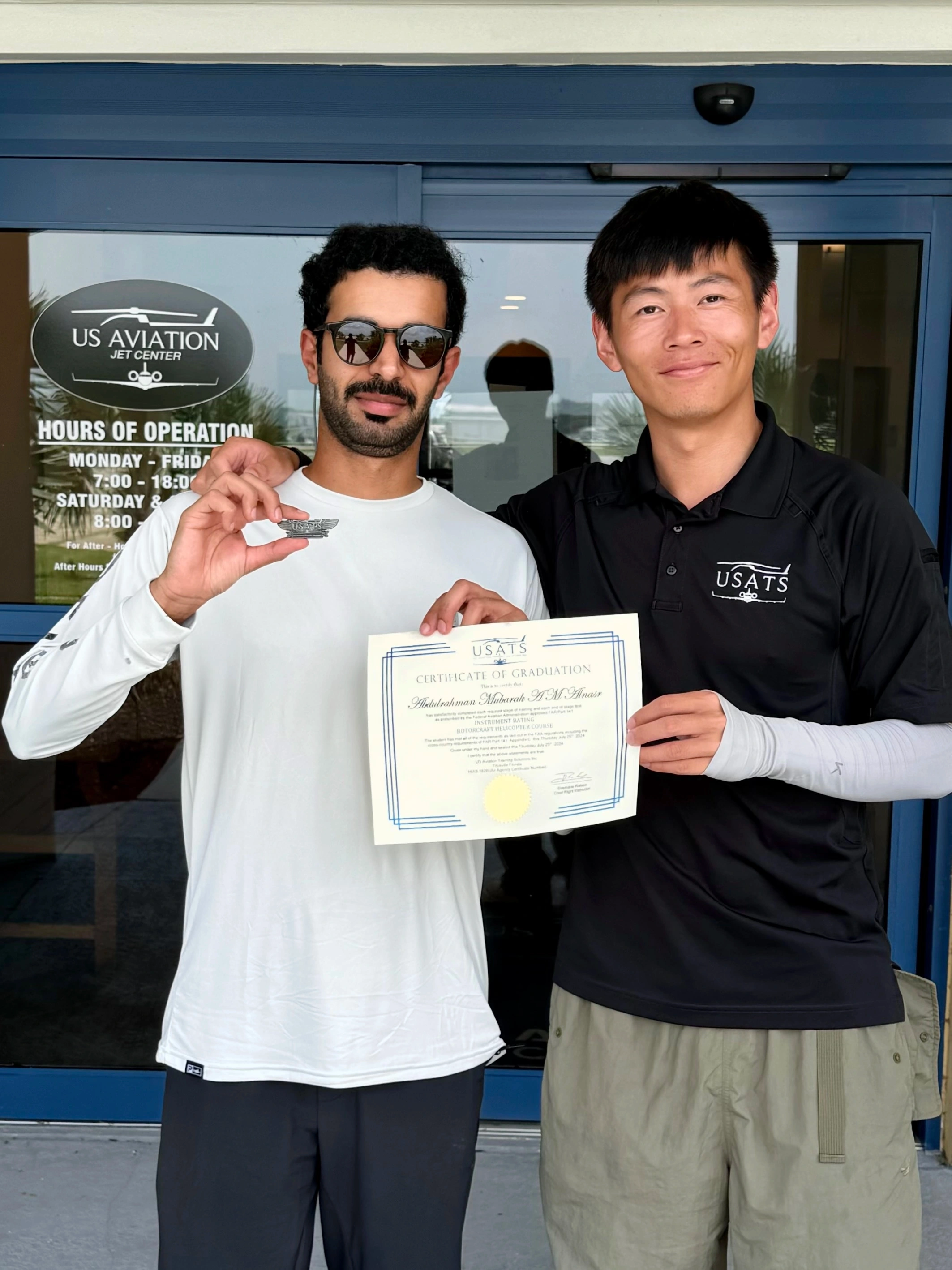
Your Flight Training Financing Roadmap
Five Steps to Finance Pilot Training Without Stalling
Each step below keeps your training moving. Flying often and steadily is the biggest factor in managing cost, so you want money in place before each stage begins.
Each step links to the guide that covers it in depth, and our financing FAQ answers the quick questions along the way.
-
Step 1: Know What Your Training Budget Is Made Of
A training budget covers aircraft time, instructor time in the air and on the ground, and ground training. Our programs do not include flight gear (headset, kneeboard), teaching books and the POH/RFM, an iPad with an EFB app, the FAA medical exam, or FAA written test and checkride fees, so plan for those separately. Only funding your first certificate? Read our guide to financing your first pilot license.
-
Step 2: Get the Right FAA Medical Before You Borrow
You need an FAA medical certificate before you fly solo, issued by an Aviation Medical Examiner. Our Private and Instrument programs call for a third-class medical or higher, and our career programs call for a second-class medical or higher. The FAA sets the medical classes in 14 CFR 61.23. Find an examiner through the FAA medical certification page before you take on debt.
-
Step 3: Match Each Cost to a Source of Money
Savings often fit the smaller costs outside the program, such as the medical, gear and test fees, while a loan covers the training itself.
-
Step 4: Check Eligibility and Apply Before Your Start Date
Lenders set their own rules on age, residency, credit, income and cosigners, and a cosigner shares full responsibility for repaying the loan. Have your quote and medical in hand, then apply with time to spare before your first lesson. Our guide to flight training loan requirements covers what each of our partners asks for.
-
Step 5: Line Up Money for Every Rating Before You Start
On a career path, plan money for every rating up front: Private, Instrument, Commercial, CFI and CFII, in airplanes or helicopters. A long gap means review lessons, and a written test result is only valid for a checkride within 24 calendar months under 14 CFR 61.39.
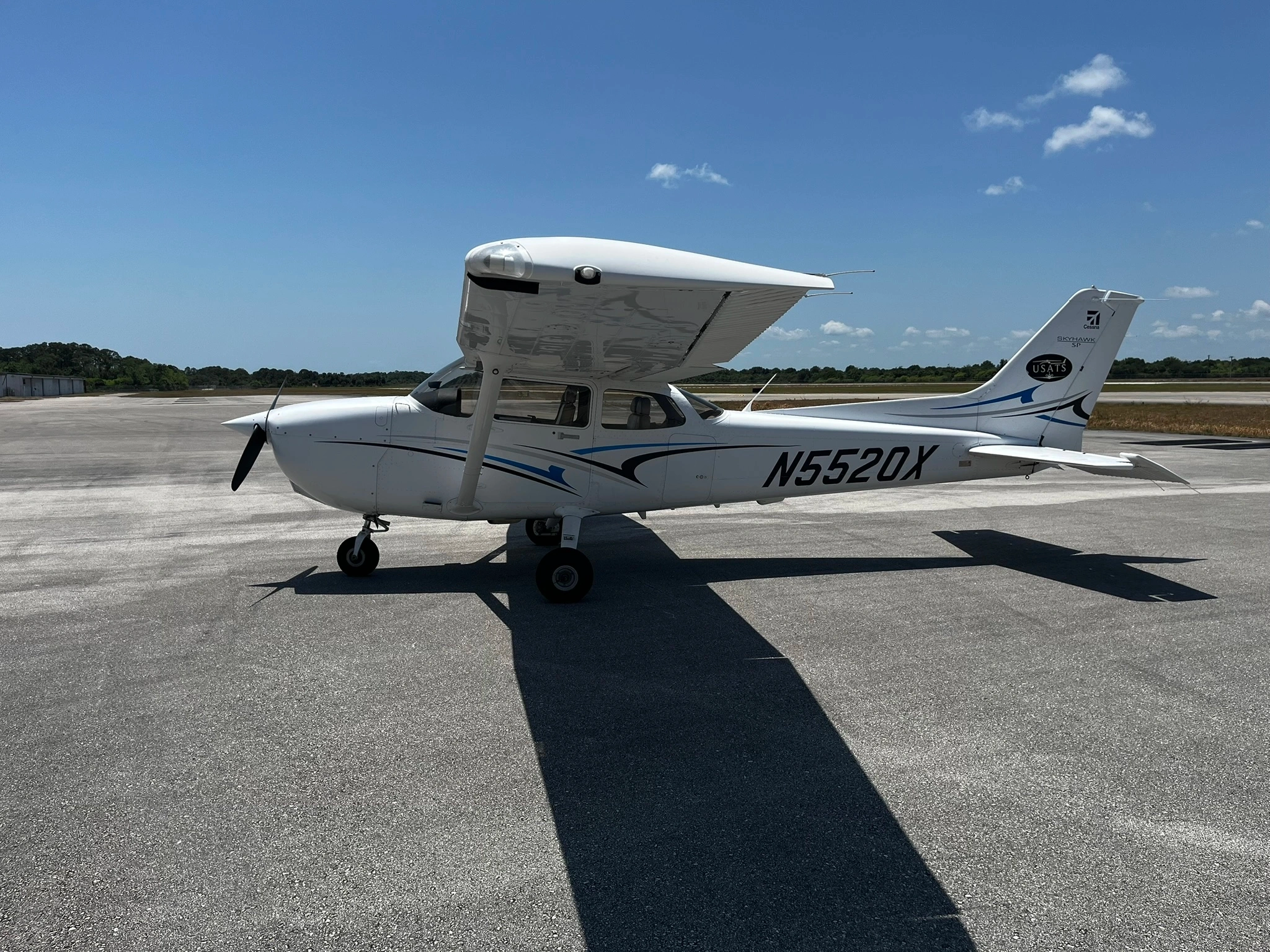
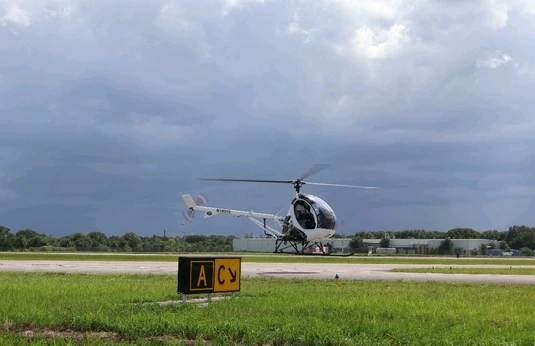
Training Airplane on the Ramp
Before You Sign Anything
Where Training Stalls When the Money Runs Out
The costly gap usually comes between ratings. A student passes the private checkride, the money runs out, and months later the first instrument lessons go to getting sharp again. That is training you pay for twice.
Get your quote, line up every source before your start date, and compare all three partners on our flight school loans page.
Flight School Loans: Quick Answers
Still comparing options? Talk with our admissions team for a quote built around your goal, then compare our three financing partners before you apply.
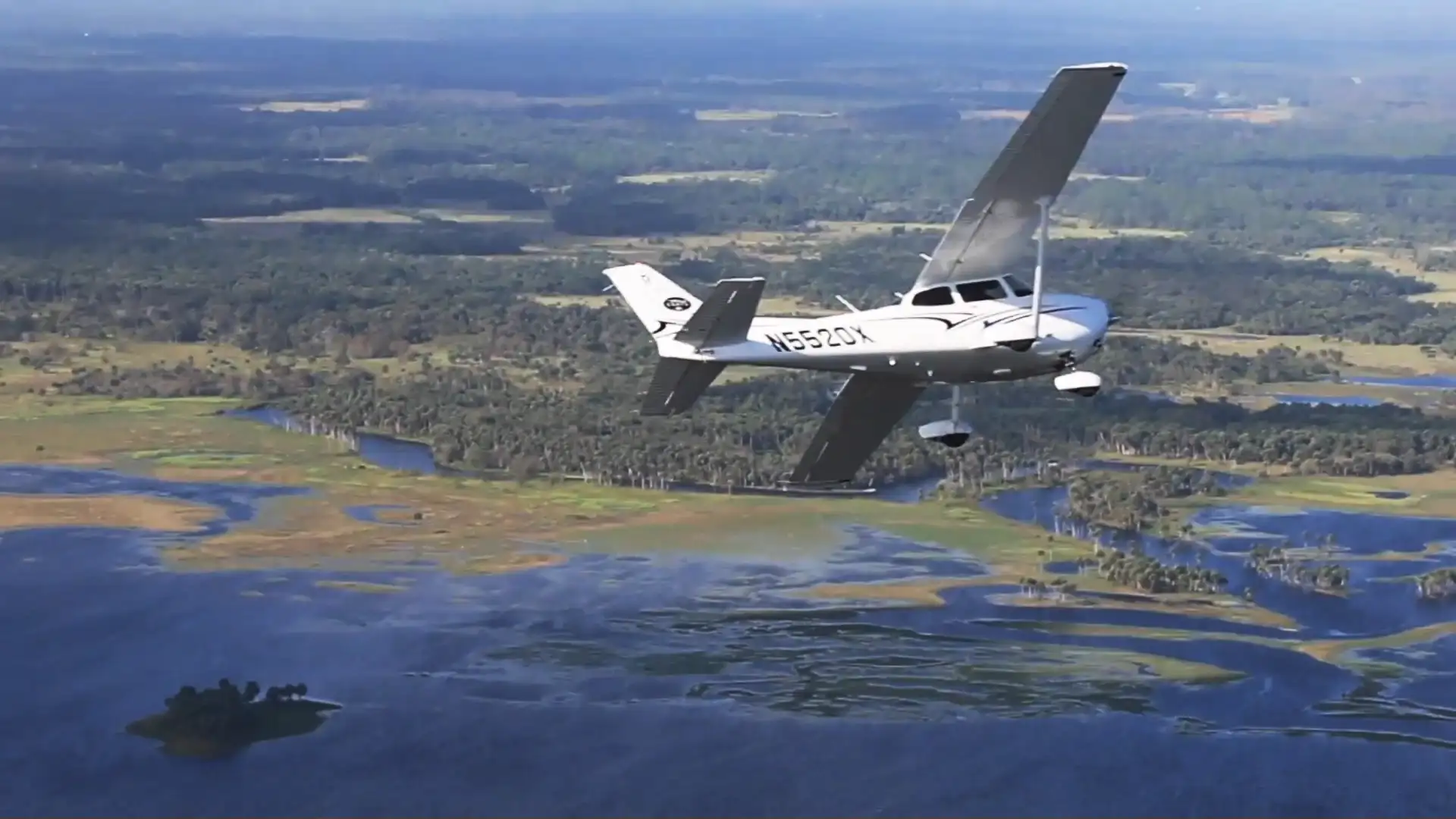
Take the First StepWith a Discovery Flight
Launch your aviation dreams at US Aviation Training Solutions! Soar above Florida's Space Coast - home to rocket launches, pristine beaches, and endless skies - with a hands-on Discovery Flight guided by our certified instructors. Book now and take control of your journey to the clouds!