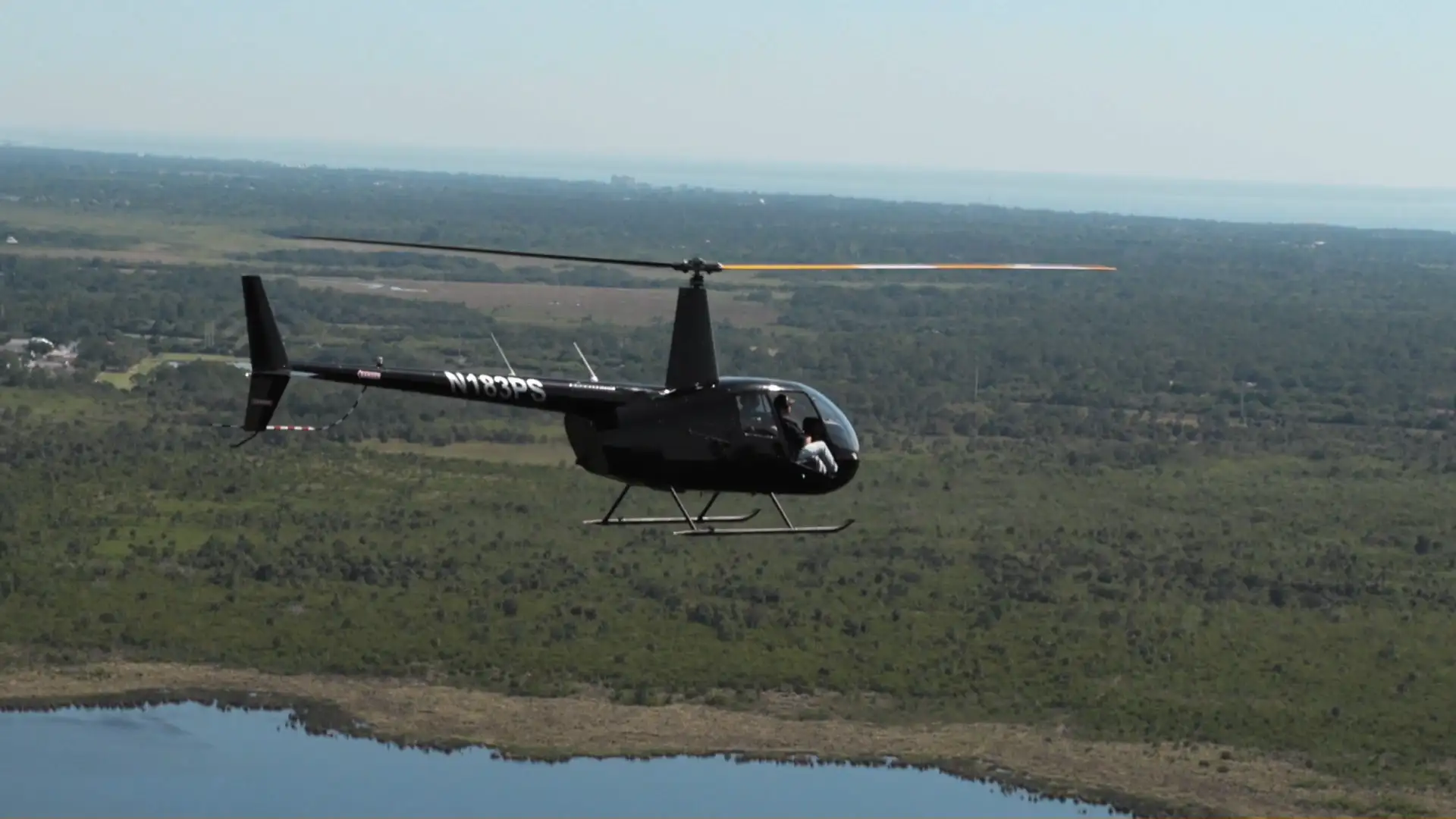
FAA Part 61 & 141
Student Pilot to ATP
S300 & R44
Types of Helicopter Licenses in 2026
Every FAA helicopter certificate and rating, from student pilot to ATP: what each one requires, the order most pilots earn them, and where each rung is trained at USATS.
Every Helicopter License Fits on One Ladder
A helicopter license is the FAA pilot certificate that lets you fly a helicopter, and the "types" are the rungs you climb on the way to flying for a living. The FAA calls them certificates and ratings. A certificate (student, private, commercial, airline transport pilot, flight instructor) says what level of pilot you are. A rating (rotorcraft-helicopter, instrument-helicopter) says what you can fly and how.
When people talk about types of helicopter licenses, they usually mean seven credentials: Student Pilot, Private Pilot, Instrument Rating, Commercial Pilot, Certified Flight Instructor (CFI), Certified Flight Instructor Instrument (CFII) and Airline Transport Pilot (ATP). Each one has its own FAA requirements, and most build on the one before it.
This guide walks the whole ladder: the FAA hour minimums for each rung under Part 61 and Part 141, the medical you need, the usual order, and the USATS program that trains it at Space Coast Regional Airport (KTIX) in Titusville. Want privileges and currency first? Our helicopter license FAQ covers them.
Why Climb the Ladder at USATS
Every Helicopter Rung at One Airport, in the Same Two Helicopters
We have trained helicopter pilots on the Space Coast since 1987, when the school began as Helicopter Adventures, and pilots from more than 120 countries have trained with us. You can earn every rung in this guide, from first hover to ATP checkride prep, at KTIX without changing schools.
Staying in one place means no restarts between ratings. You keep the same instructors and aircraft, and your training records already show what you have done.
- Two Helicopters, Two Jobs
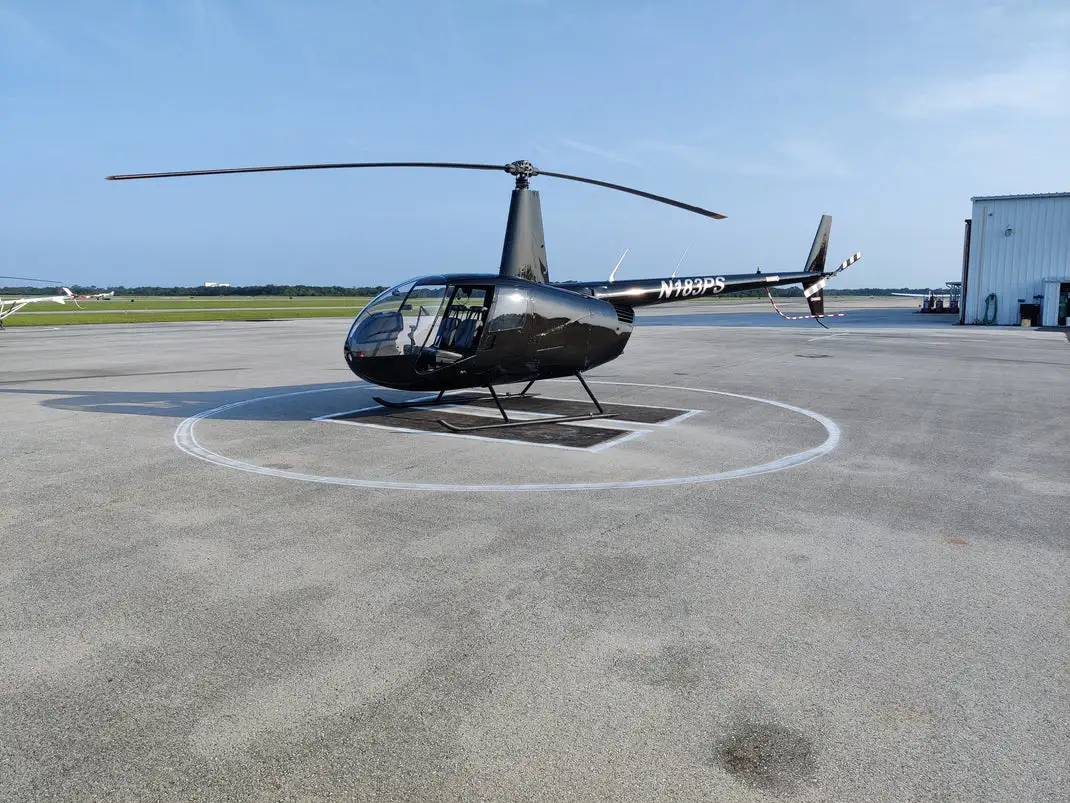
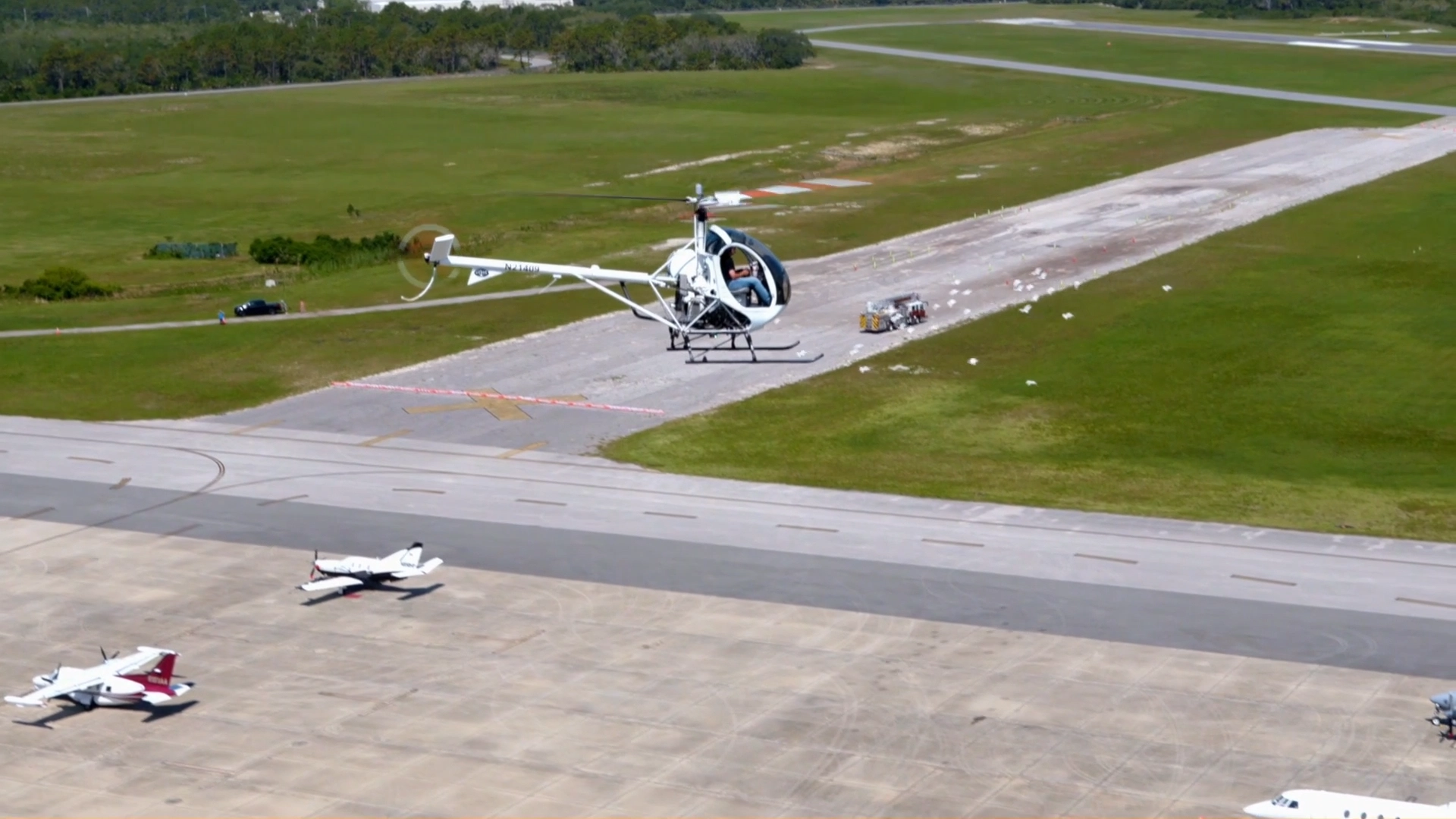
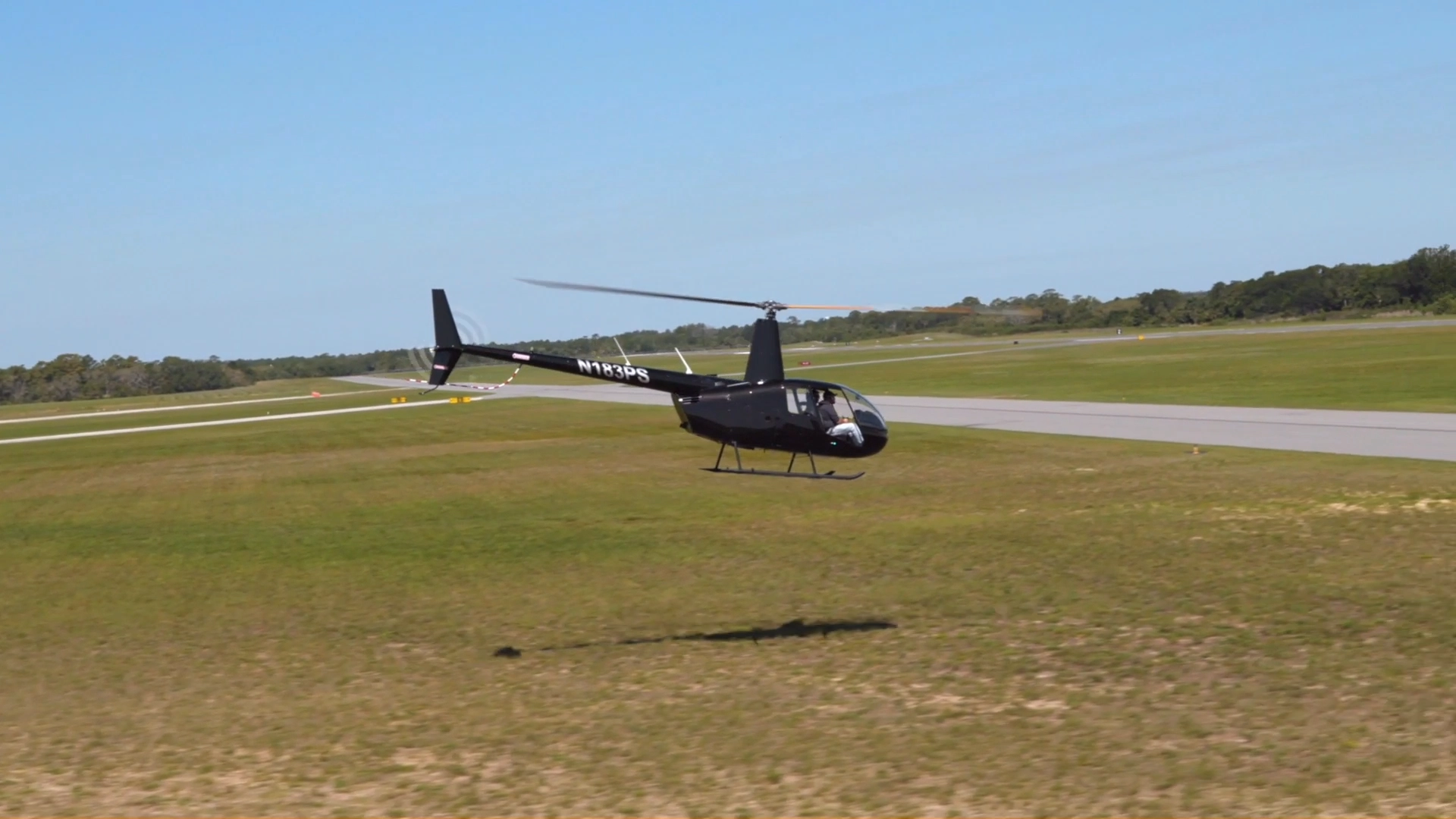
We train in the Schweizer S300CBi for hover and autorotation fundamentals and the Robinson R44 for glass avionics, speed and payload. Both are IFR equipped, so instrument training happens in aircraft you already know.
- Instructors Who Have Flown the Missions
Our chief flight instructor has more than 9,000 hours in offshore, military and training helicopters and holds an ATP in both the US and Europe. Our rotor-wing team includes CFIs, CFIIs, ATPs and SFAR 73 qualified instructors.
- Testing and Maintenance On Site
Our on-site CATS testing center handles FAA knowledge tests, and our own FAA Part 145 repair station and Robinson Authorized Service Center keep our helicopters flying.
- A Plan Built Around Your Logbook
Starting from zero, already flying airplanes or holding a commercial certificate? We build your plan around the hours you already have, so you don't pay for training you don't need.
The Helicopter License Ladder
Every Helicopter Certificate and Rating, in the Order Most Pilots Earn Them
Most career pilots climb in this order. Every number below is an FAA minimum, the least the rules allow. Your real training time depends on how often you fly, the weather and how quickly each skill clicks.
Use the steps to see where you stand, which rung comes next and the USATS program that trains it.
-
Step 1: Student Pilot and Private Pilot Certificate
Solo needs a student pilot certificate (age 16) and a third-class medical. The private certificate takes age 17 and at least 40 hours under Part 61 (35 in a Part 141 course), a knowledge test and a checkride. It lets you carry friends and family, never fly for hire. See our Private Pilot program.
-
Step 2: Instrument Rating (Helicopter)
A rating added to your certificate that lets you fly in clouds under IFR. Part 61 requires 50 hours of pilot-in-command cross-country (10 in helicopters) and 40 hours of instrument time, plus a knowledge test and checkride. Air ambulance pilots in command need it. See our Instrument Rating program.
-
Step 3: Commercial Pilot Certificate
The certificate that lets you fly for pay. You need age 18, a private certificate, a second-class medical and at least 150 hours under Part 61, 50 of them in helicopters. Operators still set their own hiring minimums. See our Commercial Pilot program.
-
Step 4: Flight Instructor Certificates (CFI and CFII)
The CFI lets you teach and needs a commercial certificate, two knowledge tests and a checkride. The CFII adds instrument instruction and needs an instrument rating. Teaching in the R44 also requires SFAR 73's 200 helicopter hours. See our CFI and CFII programs.
-
Step 5: Airline Transport Pilot (ATP)
The highest helicopter certificate: age 23, an instrument rating, a knowledge test, a checkride and at least 1,200 hours, mostly logged while working as a pilot. Our ATP program is tailored refresher and checkride prep for experienced pilots.
Cross-Country Over Central Florida
Before You Book Hours
Where the Wrong Order Costs You Hours and Money
The costly mistakes happen between rungs. Booking an instrument course without 50 hours of cross-country time, or planning to teach in the R44 before reaching SFAR 73's 200 hours, adds flying you did not budget for.
Starting from zero? Our Professional Pilot Program covers Private through CFII in one plan. Already flying airplanes? See our helicopter add-ons.
Helicopter License Types: Quick Answers
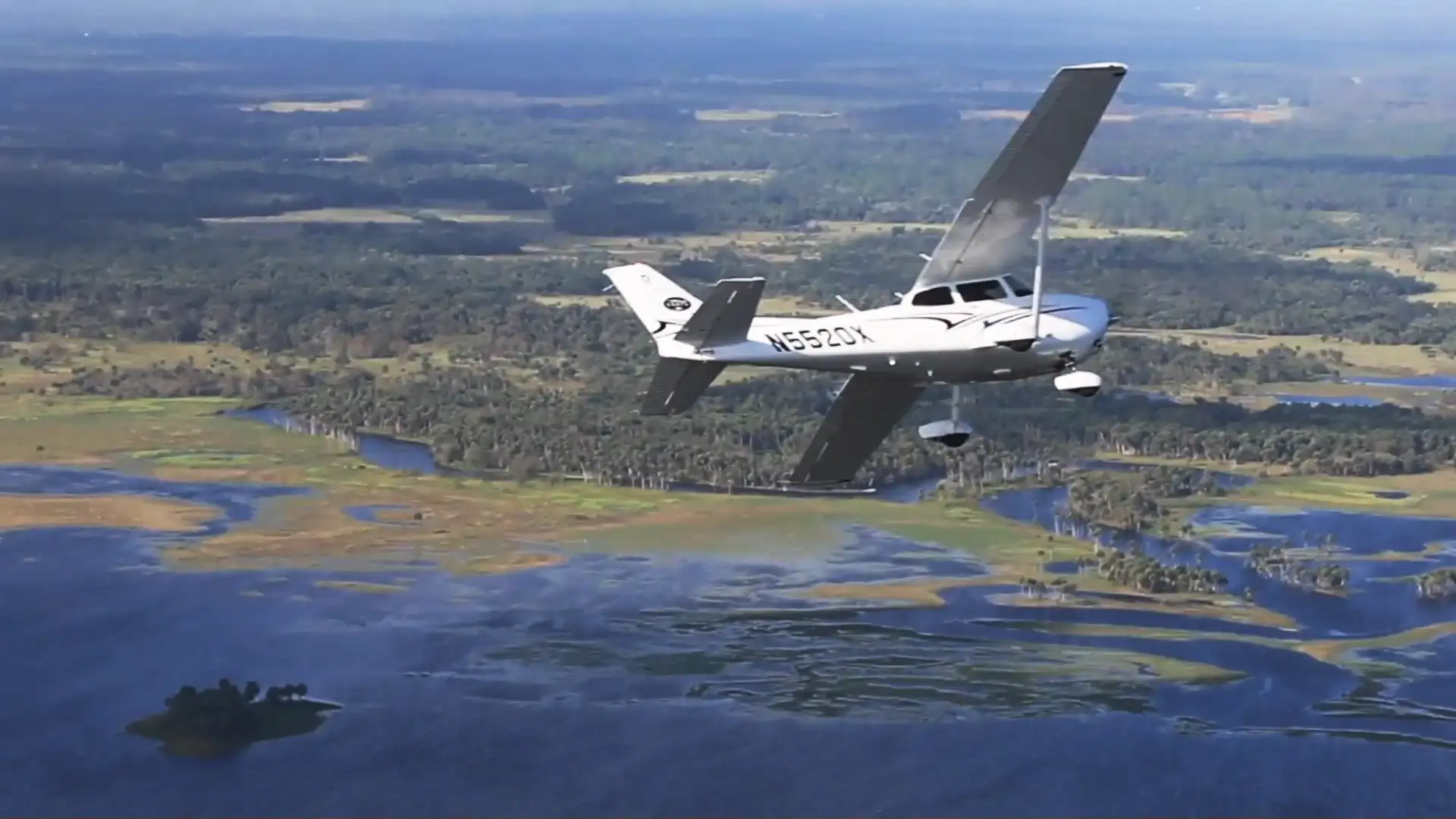
Still deciding where to start? Book a helicopter discovery flight at KTIX and fly with one of our instructors, then let our team map your path rung by rung, from first hover to the certificate your goal needs.
Take the First StepWith a Discovery Flight
Launch your aviation dreams at US Aviation Training Solutions! Soar above Florida's Space Coast - home to rocket launches, pristine beaches, and endless skies - with a hands-on Discovery Flight guided by our certified instructors. Book now and take control of your journey to the clouds!