Financing Your First Pilot License in 2026: Where to Start
by Ray Deptula
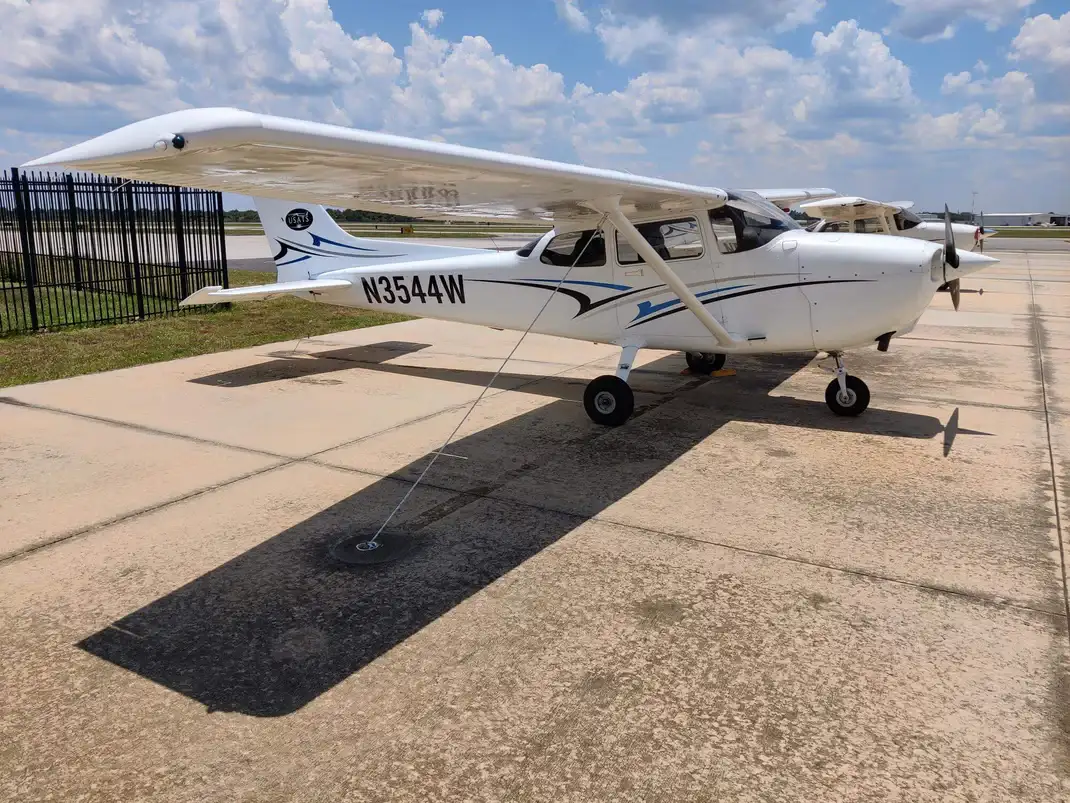
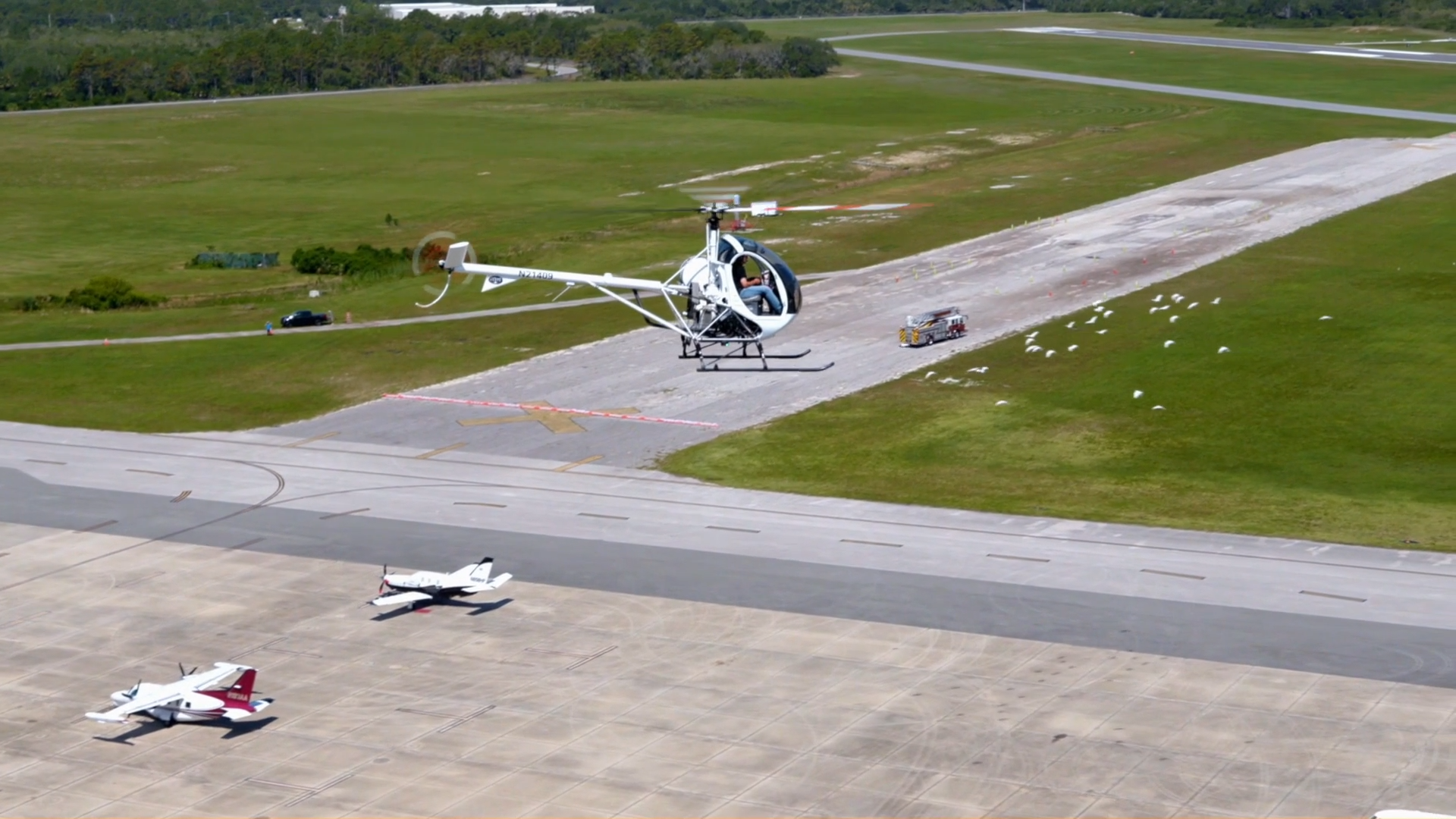
You have flown with an instructor once or twice, and you know you want a private pilot certificate. Maybe it is a training airplane over the Indian River, maybe a training helicopter over the Space Coast. You are not planning a whole career yet. You want one license, and you want to know how to pay for it without making a mistake you will feel for years.
For a first certificate, private pilot financing usually comes down to one choice: pay as you go from your own money, or take out a flight training loan. Both work. The right one is the one that keeps you flying on a steady schedule from your first lesson to your checkride.
At U.S. Aviation Training Solutions (USATS), we sell the Private Pilot License (Airplane) and the Private Pilot License (Helicopter) as programs of their own, so you never have to sign up for more than you want. This guide is only about that first certificate. If you are already planning Private through CFII, our step-by-step plan for paying for flight school covers the full ladder.
Know exactly what your first license includes before you price it
You are paying for one certificate with a clear finish line. The private pilot certificate lets you fly for fun and carry passengers, but not for hire. The FAA requires you to be at least 17 years old to earn it, to pass a knowledge test (the written exam) and a practical test (the checkride), and to meet the training and experience rules in 14 CFR 61.103.
Your choice of aircraft changes the quote, so settle it first. If you are torn, our post on helicopter license vs airplane license walks through the differences.
| First license | Training rules at USATS | Your next step |
|---|---|---|
| Private Pilot License (Airplane) | FAA Part 141 course | Request a personalized quote for the airplane program |
| Private Pilot License (Helicopter) | Part 61 and Part 141 options | Request a quote for the option that fits your schedule |
FAA minimum hours are a floor. Under Part 61, the FAA sets 40 hours of flight time as the minimum for a private certificate in an airplane or a helicopter, and Part 141 courses follow their own approved minimums. Your real hours depend on how often you fly and how quickly the skills click, which is why our admissions team builds a personalized quote instead of publishing one price.
What paying as you go looks like for a first license
Paying as you go means you cover training from your own money as it moves forward, with no loan. At USATS you can pay with cash, a credit card (Visa, Mastercard, American Express or Discover), or a check. Our admissions team can show you how payments line up with your training so you know what is due before each stage.
This approach suits a lot of first-time students, especially if the private certificate is where you plan to stop. There is no application and no monthly loan payment, and every hour you fly is already paid for.
The weak spot is the schedule. Picture a student paying lesson by lesson from a paycheck. A car repair eats one month’s flying money, then a second month slips. When training stops for a while, some of the next lessons go to getting back to where you left off, so the pause costs money as well as time. Consistency is the biggest factor we see in managing training costs.
Your knowledge test result also has a shelf life. Under 14 CFR 61.39, you must pass the written test within the 24 calendar months before the month of your checkride. A stop-start budget that drags on can mean paying for the written test twice. Our post on how hard it is to get a helicopter license explains why steady practice matters so much for new pilots.
When financing your private pilot license is the better fit
A loan trades a monthly payment for a steady training schedule. If you can fly several times a week but do not have the full cost saved, financing can keep lessons on the calendar instead of waiting on your bank balance.
We work with three financing partners: Stratus Financial, AOPA Finance and We Florida Financial. You can start with Stratus through our Stratus application link, and you can see all three on our flight school loans page. Each lender sets its own terms and makes its own decision, and a loan comes with interest and conditions the lender sets, so compare the current offers before you sign.
Confirm the loan fits a single certificate. Before you apply, check with the lender and with our admissions team that the loan you want works for the private certificate alone. Lenders also set their own rules on age, credit, cosigners and residency, which matters if you are 17 and starting young. Our guide to flight training loan requirements explains what lenders look at.
Pay as you go or finance: a side-by-side look
Compare the two on the things that affect your training: what you need to start, the paperwork, your pace and the extra cost.
| What matters | Pay as you go | Finance through a partner |
|---|---|---|
| Money needed to start | Enough for your first stage of training | Lender approval, then funds for the training |
| Paperwork | None beyond enrollment | A loan application and the lender’s documents |
| Pace of training | Tied to your cash flow | Set by your schedule, once funded |
| Extra cost | None from borrowing | Interest and terms the lender sets |
| Best fit | Steady income or savings, flexible timeline | Ready to fly often, but without the full cost saved |
Some students use both. For example, you might pay for the costs outside the program with cash and finance the training itself.
Three questions that settle the choice for most first-time students
Can you fly at least a few times a week with the cash you have coming in? If yes, paying as you go is simple. If your income is uneven, a loan may protect your schedule.
Is the private certificate your finish line or your first rung? A weekend flyer can fund one certificate and stop there. If you think you might go on to an Instrument Rating or a Commercial Pilot License, talk with admissions about the bigger picture before you borrow, so you do not take on a loan sized for the wrong goal.
Do you have a cushion for extra hours or a retest? A buffer keeps one bad week of weather or one tough lesson from stopping your training. Whichever way you pay, plan for a little more than the minimum. Our discovery flight is a low-commitment way to see how the aircraft feels before you set your budget.
Costs to set aside no matter how you pay
Some costs sit outside our programs, and they are the first place a pay-as-you-go budget gets surprised. Our private pilot programs do not include:
- Flight gear such as a headset and kneeboard
- Teaching books and the POH/RFM (the aircraft’s flight manual)
- An iPad with an EFB app (we recommend ForeFlight)
- The FAA medical exam (Class 3 or higher)
- FAA written test and checkride fees
Get your medical early. You need an FAA medical certificate and a student pilot certificate before you can fly solo. The exam is done by an Aviation Medical Examiner, and you can find one through the FAA medical certification page. The FAA explains how to apply for the student certificate on its student pilot certificate page. Our post on preparing for your first FAA medical exam tells you what to bring.
Your first three moves this month
Start small and in order. Each step gives you information the next one needs.
- Fly first. Book a discovery flight in the aircraft you want to train in.
- Get your quote. Ask our admissions team for a personalized quote for the airplane or helicopter private certificate.
- Book your medical. Schedule your FAA medical before you commit money, then choose pay as you go, financing, or both.
When those three are done, the choice is usually clear. You will know the number, your schedule and whether you are cleared to fly. Our post on what happens on your first flight lesson shows what comes next.
Frequently Asked Questions
Can I finance just a private pilot license?
Ask before you apply. Each lender decides what training it will fund, so confirm with the lender and with our admissions team that the loan fits the private certificate alone. You can see our three partners on our financing page.
What does pay as you fly mean at USATS?
It means you pay for training from your own money as it moves forward, with cash, a credit card or a check, instead of borrowing. Our admissions team can show you how payments line up with your private pilot training.
How much does a private pilot license cost in 2026?
It depends on the aircraft, the training option, and how often you fly. We build a personalized quote instead of publishing one price. Contact our admissions team for a current quote.
How old do I have to be to get a private pilot license?
The FAA requires you to be at least 17 to earn a private pilot certificate in an airplane or helicopter, and 16 to fly solo as a student pilot. Our post on pilot training for kids and teens shows how families plan the early steps.
Is it better to pay as you go or finance flight training?
It depends on your cash flow and schedule. Paying as you go avoids borrowing, while financing can protect a steady schedule if you do not have the full cost saved. The right choice is the one that keeps you flying often. Compare all three partners on our flight school loans page.
Do I need my medical before I pay for training?
You need it before you fly solo, and it is smart to get it before you commit serious money. Our first FAA medical guide explains how to prepare.
Get a Personalized Quote for Your First License
Whether you pay as you go or finance, every good decision starts with a real number for your private certificate. Our admissions team can build your personalized quote for the airplane or helicopter program, walk you through cash, card, check and financing with our partners, and help you plan a schedule that keeps you flying.
Request your quote from our admissions team or call us at (321) 529-0795.